
Dual-Mode, 3ᵉ-generation OLED and compact formats: the new standard for gaming displays in 2026
Follow us and share this article
This article has been automatically translated.
Between the democratization of Dual-Mode and the optimization of OLED, elite technologies are finally becoming accessible to the greatest number. Here are the major trends redefining gaming displays at the start of 2026.
While OLED technologies and 480 Hz are no longer absolute novelties, the monitor market is going through a major transition phase in 2026. We're no longer talking just about raw power, but alsoaccessibility andsoftware optimization.
The end of the dilemma: Dual-Mode democratization
Hitherto reserved for a few elite models, Dual-Resolution is now becoming widespread on mid-range screens. The principle? Instantly switch from 4K definition at 240 Hz for visual immersion, to Full HD mode at 480 Hz (or even more on some very recent slabs) for pure competition. No more choosing between visual beauty and extreme responsiveness.
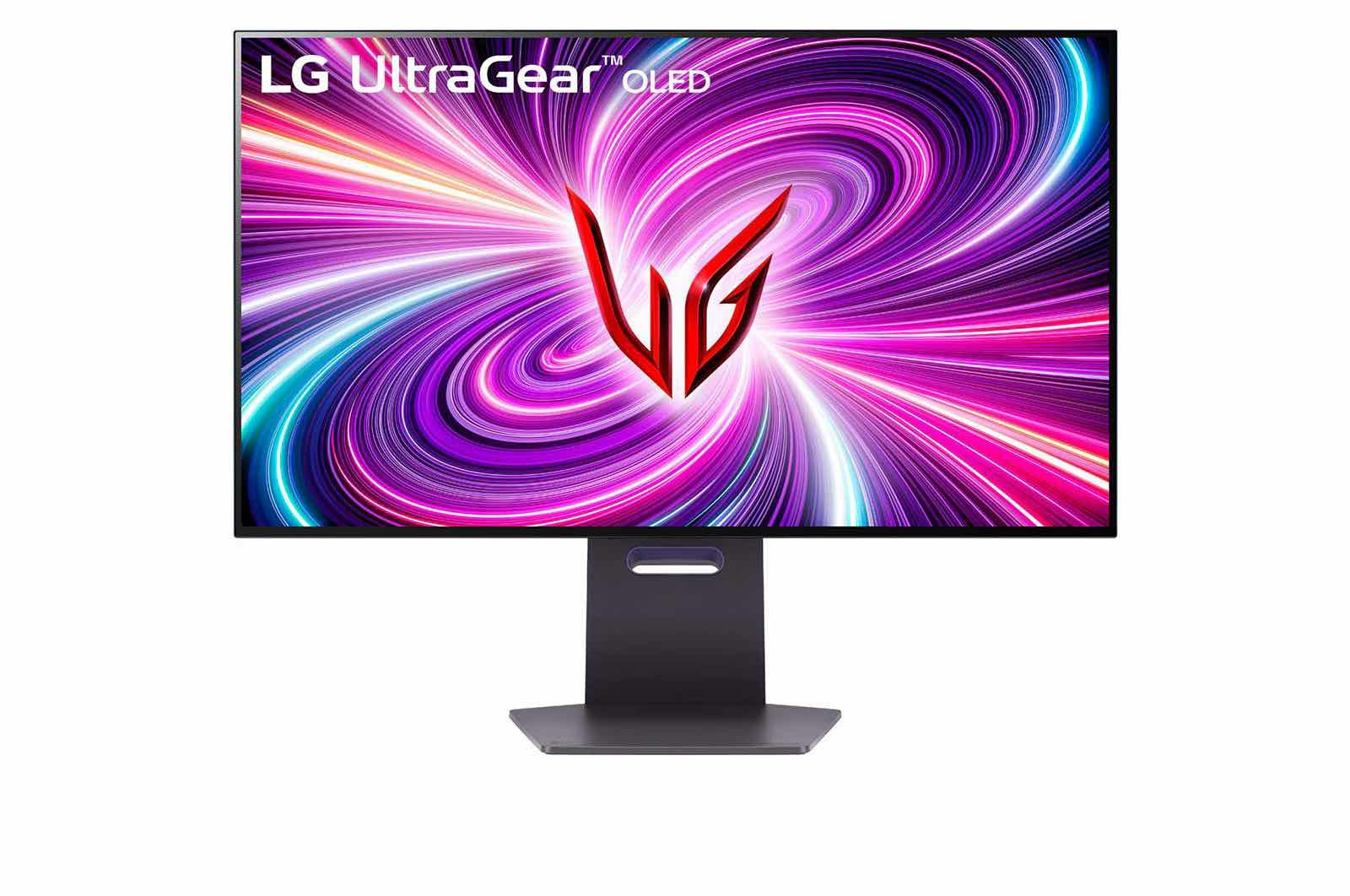
The LG UltraGear Dual-Mode OLED (32GS95UE-B)
3rd generation OLED: brighter, more accessible
3rd generation WOLED (White OLED) and QD-OLED (Quantum Dot OLED) panels reach their full potential in 2026. Luminous stability is improving: peaks of 1000 - 1500 nits can be maintained for longer, reducing the readability gap with LCDs in bright environments. This technical maturity is accompanied by industrial optimization, making some 27-inch models more affordable than before.

The Asus ROG Swift OLED PG34WCDM
The return of ultra-fast "compact" formats
Today, some professional gamers prefer 24- to 25-inch screens equipped with high-speed panels. These formats offer optimal visual comfort: all the action remains in the field of vision, reducing head and eye movements. Very high refresh rates (144 Hz, 240 Hz, even 360 Hz) and low response times make them the preferred choice for competitive gaming. Pixel density remains correct, but the priority is responsiveness and precision rather than the size or immersion offered by large, curved slabs. For the general public and multimedia uses, large screens are still popular, but for competitive gaming, compactness and performance take precedence.

Energy efficiency under control at last
With new regulations and labels, the power consumption of screens is now monitored. In Europe, the EcoConception (ErP) regulation imposes consumption thresholds, while certifications such as Energy Star or TCO Certified encourage manufacturers to optimize their models, including in HDR mode. Some recent displays boast a 20-30% reduction in power consumption, reducing heat output and electricity bills, and helping to extend the life of the equipment.
Whether you're looking for absolute fluidity for e-sports or the clarity of OLED for the most graphic Triple-A games, now is the ideal time to take advantage of cutting-edge technologies that are now more accessible, and to find the best prices on gaming displays.
Latest news


Comments (0)
No comments yet.